Key Takeaways
- Tree size is the primary factor influencing removal costs, with height and trunk diameter determining labor requirements and equipment needs.
- Tree condition significantly impacts pricing, as dead, diseased, or storm-damaged trees require specialized safety techniques and equipment.
- Location and accessibility affect costs substantially, with trees near structures or in hard-to-reach areas requiring additional labor and rigging.
- Stump grinding and debris removal are typically separate services that should be discussed upfront to avoid surprise charges.
- Pittsburgh requires permits for public right-of-way tree work but not for trees on private property, with permit applications costing around $25
- Always hire licensed, insured professionals with ISA or TCIA certifications to ensure safe, quality workmanship.
The answer isn’t straightforward. Tree removal pricing in Pittsburgh reflects a calculation based on numerous variables, from the tree’s dimensions and health status to its position on your property and the complexity of the work required. This comprehensive guide examines the factors that determine tree removal costs in the Pittsburgh area and offers guidance on selecting qualified tree care professionals who will complete the job safely and effectively.
Understanding the Factors That Influence Tree Removal Costs in Pittsburgh
Tree removal estimates in the Pittsburgh area vary significantly based on multiple interconnected factors. Knowing what arborists evaluate when calculating quotes helps you understand the pricing you receive and anticipate potential additional expenses.
Tree Size: The Primary Cost Determinant
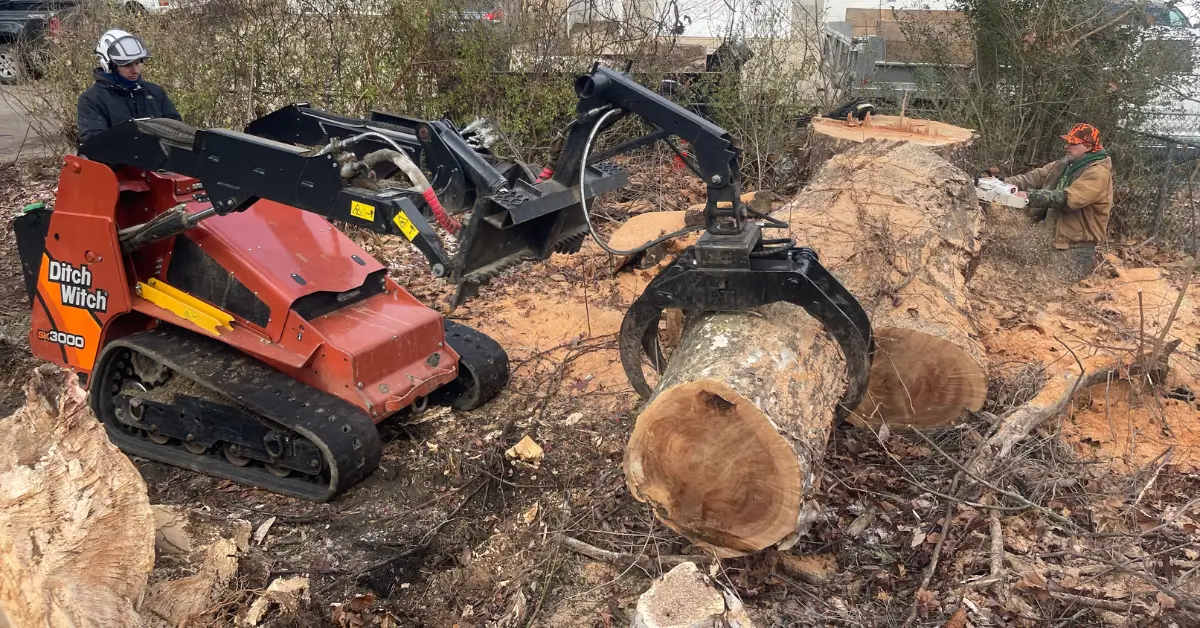
The dimensions of your tree, both height and trunk diameter, represent the single most significant factor in removal pricing. Larger trees demand more labor hours, specialized heavy equipment, additional crew members, and extended time to dismantle safely without damaging surrounding property.
Pittsburgh tree removal companies typically categorize trees into three size classes:
Small Trees (Under 30 Feet)
Trees in this category include most ornamental varieties, young shade trees, and smaller fruit trees. Because they’re manageable in scale, professionals can often remove them in a few hours with basic equipment. A small tree might consist of a single trunk that can be felled safely in one piece if there’s adequate clearance, or it may require sectional cutting if positioned near structures or fences.
Medium Trees (30 to 60 Feet)
This category includes many mature landscape trees that have been growing for decades,mid-sized maples, ash trees, smaller oaks, and various evergreens. Medium trees require more strategic planning, rigging systems to control branch descent, and typically a three-person crew. The removal process involves climbing the tree and removing it piece by piece, carefully lowering each section to the ground using ropes and pulleys.
Large Trees (Over 60 Feet)
Pittsburgh’s mature canopy includes numerous large shade trees, towering oaks, massive sycamores, and ancient maples that can exceed 80 or even 100 feet. These trees often have trunks three feet or more in diameter and require extensive safety planning. Removing a large tree typically involves a four or five-person crew, bucket trucks or cranes, and sometimes coordination with utility companies.
Trunk Diameter and Wood Density
While height determines much of the complexity, trunk diameter matters significantly too. A thick, dense hardwood trunk takes considerably longer to cut and process than a slender trunk, even at the same height. Dense hardwoods like oak, hickory, and hard maple require more cuts, create more fatigue for the crew, and dull chainsaw blades faster than softwoods like pine or poplar.
I’ve encountered trees in Pittsburgh that looked modest in height but had trunks nearly four feet in diameter at the base. These require large chainsaws, multiple blade changes, and additional time to section the trunk into manageable pieces for removal.
Tree Health and Structural Condition
The condition of your tree dramatically affects removal complexity and associated work requirements. A healthy, structurally sound tree allows arborists to climb safely and dismantle it systematically. Dead, dying, diseased, or storm-damaged trees present substantial additional hazards.
Hazardous Trees Require More Intensive Work
Dead trees become unpredictable. Their wood grows brittle, branches may break unexpectedly during removal, and the structural integrity becomes questionable. Arborists must use extra caution, employ specialized techniques, and sometimes cannot climb these trees at all, necessitating crane assistance or other expensive alternatives.
Location and Site Accessibility
Where your tree stands on your property and how easily equipment can reach it profoundly impact removal requirements. An isolated tree in an open backyard with level ground and wide access gates represents the ideal scenario. Unfortunately, many Pittsburgh properties present challenges.
Proximity to Structures
Trees near your home, garage, shed, fence, driveway, or other structures require meticulous rigging work. Instead of simply dropping sections, arborists must carefully lower each piece using ropes and pulleys to prevent any contact with your property. This process is time-intensive and demands skilled crew members who understand advanced rigging techniques.
Limited Access and Difficult Terrain
Pittsburgh’s hilly terrain and older neighborhoods with narrow lots, fenced yards, and limited gate widths create access challenges. If trucks and equipment cannot reach your tree, workers must carry everything by hand, and wood must be hauled out manually or with smaller, less efficient equipment.
Tree Species and Wood Characteristics
The type of tree affects removal difficulty. Pittsburgh’s urban forest includes diverse species, and arborists approach them differently based on wood characteristics.
Hardwoods vs. Softwoods
Hardwood trees like oak, maple, hickory, ash, and black cherry are denser and heavier than softwood species like pine, spruce, or poplar. Cutting through dense hardwood is physically demanding, requires sharper tools, and takes longer. The wood also weighs more, making handling and hauling more labor-intensive.
Complex Branch Structures and Root Systems
Some species develop intricate branching patterns that complicate removal. Pin oaks, for example, have downward-sweeping lower branches that create obstacles. Bradford pears (a common ornamental in Pittsburgh) have weak branch attachments and often split unexpectedly during removal, creating safety hazards.
Stump Removal and Debris Disposal: Understanding Additional Services
When obtaining tree removal quotes in Pittsburgh, clarify whether the estimate includes stump grinding and debris hauling. Many companies price these services separately, and assumptions can lead to surprise expenses.
Stump Grinding
After removing the tree trunk and branches, you’re left with a stump that remains firmly anchored by its root system. Most homeowners choose to have stumps ground down below ground level rather than leave them as obstacles in their yard.
Factors affecting stump grinding work:
- Stump diameter (measured at ground level)
- Age and hardness of the wood
- Root spread and depth
- Location and accessibility
- Soil conditions (rocky soil is harder on equipment)
Debris Removal and Disposal
Tree removal generates substantial debris, logs, branches, leaves, and stump grindings. How this material is handled varies by company and affects your overall project scope.
Options for debris management:
- Full-service hauling: The tree company removes all debris from your property and disposes of it, providing the most convenient option.
- Wood left on-site: Some companies will cut logs into firewood-length sections and leave them neatly stacked on your property. If you have a wood-burning fireplace or know someone who wants firewood, this can reduce your expenses.
- Chips left for mulch: Stump and branch grindings can be left on your property as mulch for gardens and landscaping.
- Mixed approach: Take some wood as firewood, use some chips as mulch, and have the company haul away the rest.
Always specify debris handling preferences in your initial quote request to avoid misunderstandings. I’ve seen homeowners frustrated when they assumed debris removal was included, only to find a substantial pile of wood left in their yard.
Pittsburgh-Specific Considerations: Permits, Regulations, and Local Factors
Understanding Pittsburgh’s tree regulations and permit requirements helps you plan your removal project appropriately and avoid legal complications.
Tree Removal Permits in Pittsburgh
The City of Pittsburgh’s approach to tree removal permits depends on whether the tree is on private property or in the public right-of-way.
Private Property Trees:
You generally do not need a permit to remove a tree on your private property within Pittsburgh city limits. Property owners have the right to manage trees on their own land as they see fit. However, if your property is part of a homeowners association, check your HOA covenants; some associations have restrictions on tree removal.
Public Right-of-Way Trees:
If your tree is located in the public right-of-way, the area between your property line and the street, typically including the tree lawn or parking strip, you cannot remove it without a permit from the City of Pittsburgh’s Forestry Division. Street trees are considered city property even if they’re in front of your house.
The Forestry Division evaluates permit applications and may approve or deny removal based on the tree’s condition and the city’s urban forestry goals. According to the City of Pittsburgh Public Works website, permit applications require documentation explaining why removal is necessary.
Pittsburgh’s Urban Forest and Tree Preservation
Pittsburgh has been working to increase its tree canopy and improve urban forest health through initiatives supported by the city’s Forestry Division. While the city encourages tree preservation, it recognizes that removal is sometimes necessary for safety, disease control, or property development.
Emergency Tree Removal: When Speed Requires Premium Service
Pittsburgh’s weather patterns, heavy snow in winter, severe thunderstorms in summer, and occasional windstorms throughout the year, create situations where trees fall or become imminently dangerous. Emergency tree removal services are available 24/7, but involve additional considerations.
What Constitutes a Tree Emergency?
True emergencies involve immediate threats to safety or property:
- A tree or large limb has fallen on your house, vehicle, or other structure
- A tree is leaning severely and could fall at any moment
- Storm damage has left a tree partially split, with sections hanging dangerously
- A tree has fallen across a driveway or road, blocking access
Emergency Service Considerations
Emergency work requires different approaches than scheduled removals:
- Crews must drop everything and respond immediately
- Work often occurs during nights, weekends, or holidays
- Operations proceed in dangerous conditions (storms, darkness, damaged utilities)
- Priority over scheduled jobs
- Rapid mobilization of equipment
Insurance Coverage for Emergency Removal
If a tree falls and damages your home or vehicle, your homeowners or auto insurance policy typically covers emergency removal as part of the damage claim. Review your policy or contact your insurance agent to understand your coverage limits. Some policies cover removal up to certain amounts even if the tree doesn’t damage any structures, but this varies by insurer and policy.
Why Professional Tree Removal Is Essential: The Risks of DIY
As a certified arborist, I understand the temptation to handle tree removal yourself, especially for smaller trees. However, I’ve witnessed the aftermath of DIY tree removal gone wrong, and the potential consequences far outweigh any savings.
Serious Safety Risks
Tree removal is consistently rated among the most dangerous occupations. According to the U.S. Bureau of Labor Statistics, logging and tree care work has one of the highest fatality rates of any industry. The dangers include:
- Falling hazards: Climbing trees or working from ladders without proper safety equipment and training can result in falls, causing severe injuries or death.
- Chainsaw injuries: Chainsaws are powerful, dangerous tools. Inexperienced users frequently suffer lacerations requiring emergency surgery. I’ve known people who lost fingers or sustained deep leg wounds from chainsaw kickback.
- Falling trees and branches: Trees don’t always fall where you expect. Wind, uneven weight distribution, internal decay, and improper cutting techniques can send a tree crashing in the wrong direction. Widow maker branches can fall unexpectedly while you’re working below.
- Struck by falling objects: Wood sections, tools, and equipment can fall on workers below, causing head injuries and trauma.
Early in my career, I responded to a situation where a homeowner in Mount Lebanon attempted to remove a 40-foot maple himself. He made an improper felling cut, the tree fell toward his house instead of away from it, and it crashed through his sunroom roof, causing extensive damage. He was fortunate not to be injured, but he ended up paying for both emergency tree removal and major structural repairs, far more than professional removal would have initially required.
Property Damage Risks
Without experience and proper equipment, DIY tree removal frequently results in property damage:
- Trees falling on homes, garages, or sheds
- Damage to vehicles, fences, or landscaping
- Crushed utility lines or underground utilities
- Damage to neighboring properties
If you damage a neighbor’s property during DIY tree removal, you’re personally liable for repairs. Professional tree companies carry liability insurance that protects you from these situations.
Incomplete Removal and Ongoing Problems
Even if you successfully cut down a tree without injuries or property damage, you may be left with challenges:
- Large logs are too heavy to move
- A stump that’s extremely difficult to remove without specialized grinding equipment
- Branches and debris that take weeks to process and dispose of
- Partially removed trees that become more hazardous than before
Choosing a Qualified Tree Removal Company in Pittsburgh
The quality and safety of your tree removal project depend entirely on hiring the right company. Pittsburgh has many tree service providers, but quality varies dramatically. Here’s how to identify reputable professionals.
Essential Qualifications
Licenses and Insurance
This is absolutely non-negotiable. Any tree company working on your property must carry:
- General liability insurance: Protects you if they damage your property or a neighbor’s property during the work. Request a certificate of insurance showing adequate coverage.
- Workers’ compensation insurance: Protects you from liability if a worker is injured on your property. In Pennsylvania, businesses with employees must carry workers’ compensation. If a company lacks this coverage and a worker is injured at your home, you could be held liable for medical expenses and lost wages.
Request proof of both insurance types and verify the policies are current. I’ve encountered homeowners who hired companies without checking insurance, only to face problems when workers were injured.
Professional Certifications
Look for companies with ISA (International Society of Arboriculture) Certified Arborists on staff. This certification requires passing a comprehensive exam covering tree biology, diagnosis, care practices, and safety standards. Certified arborists must also complete continuing education to maintain their credentials, ensuring they stay current with industry best practices.
The Tree Care Industry Association (TCIA) membership indicates a company meets standards for safety, training, and business practices. TCIA member companies demonstrate commitment to professional operations.
Evaluating Tree Service Estimates the Right Way
Obtain Multiple Written Estimates
Request quotes from at least three different companies. Reputable companies offer free, no-obligation estimates. An estimator should visit your property, assess the tree in person, ask questions about your preferences, and identify potential challenges.
Be wary of companies that provide quotes over the phone without seeing the tree; accurate estimates require on-site evaluation.
What a Detailed Estimate Should Include
A professional estimate should clearly specify:
- Exact scope of work (tree removal, stump grinding, debris disposal)
- Itemized breakdown for each service
- Timeline for completion
- Cleanup procedures
- Insurance verification
- Payment terms
Vague estimates without details should raise red flags. You want transparency about what’s included and what requires additional charges.
FAQs: Tree Removal Costs in Pittsburgh, PA
How much does tree removal cost in Pittsburgh?
Pricing depends on tree size, condition, location, and access. Small trees cost the least. Medium and large trees require more labor, equipment, and time. Hazardous or storm-damaged trees increase costs.
Does the tree’s condition change the price?
Yes. Dead, decayed, or storm-damaged trees are riskier to remove and may require cranes or advanced rigging, which raises the price.
Are stump grinding and debris removal included?
Usually no. Stump grinding and hauling are separate services. Always confirm what’s included in your estimate to avoid extra charges.
Do I need a permit to remove a tree in Pittsburgh?
You don’t need a permit for trees on private property. Trees in the public right-of-way require approval from Pittsburgh’s Forestry Division.
Final Thoughts on Tree Removal in Pittsburgh
Tree removal in Pittsburgh involves numerous factors that influence the scope and complexity of the work required. By understanding what affects tree removal projects, from tree size and condition to location challenges and regulatory requirements, you can make informed decisions and work effectively with qualified professionals.
Ready to discuss your tree removal project? Contact Tripoli Tree Care at 412-659-8267 for a free, no-obligation consultation with our certified arborists.
About the Author
ISA Certified Arborist – Tripoli Tree Care
With over years of experience serving the greater Pittsburgh area, Michael specializes in complex tree removals, hazardous tree assessment, and urban forestry management. He holds certifications from the International Society of Arboriculture and maintains an active membership in the Tree Care Industry Association. Michael has supervised hundreds of tree removal projects throughout Allegheny County, from routine residential work to complex crane-assisted removals.