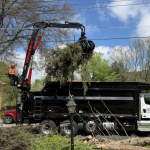
Yes, you can move firewood or logs out of Allegheny County if they are free of spotted lanternflies at every life stage—but the wood is a regulated article, so it needs to be inspected before transport. Residents should inspect the wood and use Pennsylvania’s resident compliance checklist. Businesses, including tree care and timber operations that move regulated articles within or out of a quarantine area, may need a state permit and additional compliance steps.
The quarantine applies to firewood of any species, logs, stumps, and other tree parts. Destination matters too: check the current quarantine map before hauling, because quarantine boundaries and guidance can change. Pennsylvania’s Department of Agriculture currently links to its 2025 map, while Penn State Extension’s June 2026 update reports spotted lanternflies in 57 Pennsylvania counties. The state’s quarantine and permitting page links to the interactive map and current program guidance.
What does the quarantine mean for firewood and logs?
Pennsylvania regulates firewood, logs, stumps, and tree parts because spotted lanternflies or their egg masses can hitch a ride on wood and other outdoor items. The order prohibits moving any living stage of the insect, including egg masses, nymphs, and adults. That does not mean every piece of wood is automatically prohibited from leaving Allegheny County: it means the wood must be inspected and free of spotted lanternflies before it is moved.
The Department of Agriculture’s quarantine guidance lists “logs, stumps, or any tree parts” and “firewood of any species” among regulated articles. The quarantine also covers some outdoor items and equipment that may harbor the insect. In practical terms, inspect the wood and the vehicle, trailer, tools, and other equipment used to move it.
A woodpile can be easy to overlook during a quick cleanup. Egg masses may be attached to bark or other surfaces; nymphs and adults may be present during warmer months. If you find any life stage, don’t load and leave with the wood. Remove and destroy the insects, then recheck the material before moving it.
Is Allegheny County still quarantined, and does the destination matter?
Yes. As of October 13, 2026, Allegheny County is included in Pennsylvania’s spotted lanternfly quarantine area. The Pennsylvania Department of Agriculture’s quarantine page currently points readers to a 2025 county map and an interactive map; Penn State Extension’s 2026 FAQ reports that 57 Pennsylvania counties are affected. Check the state’s interactive quarantine map for the wood’s destination before transport, since boundaries and detections can change.
A destination inside the quarantine area does not make inspection unnecessary. Residents and businesses must comply with the quarantine, and the order prohibits moving spotted lanternflies to new areas. If the destination is outside the quarantine, that is an especially important reason to make sure no insects or egg masses are riding on the wood, truck, or trailer.
What should residents do before moving wood?
Residents moving personal property should inspect it, remove any spotted lanternflies they find, and use Pennsylvania’s resident compliance checklist. The state’s quarantine and permit program FAQs say residents demonstrate compliance using the checklist, which can be signed and kept in a personal vehicle as a reference.
Before loading firewood or logs, take time to:
- Look over the bark, cut ends, crevices, and the ground around the pile for egg masses, nymphs, or adults.
- Inspect the truck bed, trailer, tarps, straps, and tools that have been stored outdoors.
- Remove and destroy any spotted lanternflies or egg masses you find.
- Complete the current resident checklist and keep it with you during the move.
- Recheck the load and vehicle before leaving, especially if they were parked or stored beneath trees.
Penn State Extension advises residents to inspect outdoor items before moving them within or out of a quarantine area. It also recommends avoiding firewood movement where possible as a way to reduce spread. For a household move or a small amount of wood, follow the current state checklist and guidance; don’t assume the absence of visible adults means there are no egg masses.
What rules apply to tree businesses, loggers, or timber haulers?
Businesses, agencies, and organizations that work in Pennsylvania’s quarantine area and move regulated articles within or out of it need to consider permit requirements. The Department of Agriculture says a permit is required for businesses working within the quarantine that move regulated articles; a permit is also required for certain regulated articles entering Pennsylvania from areas in other states where spotted lanternflies are established. The state’s permit program FAQs explain the general rule.
The requirement can apply to agricultural and non-agricultural businesses. A company transporting logs, firewood, or other tree material should not assume that a load is exempt because it is local, headed to a nearby county, or being taken to a disposal site. The Department’s business guidance also says businesses processing firewood or producing mulch for distribution outside their quarantined county may need a compliance agreement.
Permit and compliance details can depend on the work and the material being moved. Tree companies, loggers, firewood processors, and timber haulers should review current PDA guidance and contact the department with their specific route and operation before transporting a load. Residents moving personal property should use the resident checklist; it is not a substitute for a business permit.
How do quarantine rules affect tree removal and cleanup?
The quarantine affects what happens to tree material after a job, so discuss the intended handling and destination before work starts. A removal may leave logs, branches, stumps, or woodchips on the property, and each may require a different plan. If the wood will be hauled away, the person or business moving it should know which quarantine requirements apply.
For homeowners arranging tree removal in Pittsburgh, ask how logs and branches will be handled and where they are going. If a tree only needs selective work, tree trimming and pruning may leave less material to manage. After a removal, stump grinding can address the remaining stump, but any resulting material that is transported still needs to be considered under applicable rules.
The same planning matters after severe weather. If a tree has fallen or limbs are blocking access, emergency tree service and storm damage cleanup can help address hazards and debris. Before any wood is hauled, confirm the carrier’s responsibilities and whether business permits or other compliance steps apply.

What are practical options if you do not need to transport the wood?
Leaving usable firewood on the same property avoids a trip with that wood, though the pile should still be checked for spotted lanternflies. If you need the material removed, ask about local disposal or processing options, and confirm any movement requirements with the appropriate provider. Do not assume that chipping, processing, or taking wood to another county automatically removes all obligations.
Tripoli Tree Care offers debris removal and land clearing in the Pittsburgh area. If you are planning cleanup, describe the material and its intended destination when arranging the work. Our team can discuss the tree work and cleanup scope; regulatory questions about permits or quarantine compliance should go to the Pennsylvania Department of Agriculture.
Check the rules before the truck leaves
The key point is simple: firewood, logs, stumps, and other tree parts are regulated in Pennsylvania’s spotted lanternfly quarantine. Businesses that transport regulated materials may need a permit, and some firewood or mulch operations may require additional compliance agreements.
Before a load leaves the property, check the latest PDA map and guidance, inspect the wood and transport equipment, and confirm that the destination is handled correctly. When the situation involves a commercial load, processing operation, or uncertain destination, contact the Department of Agriculture for direction specific to that move.