The size of a tree is only one part of a difficult removal. A mature oak, maple, pine, or another large tree may weigh many tons and extend over a roof, driveway, utility line, or neighboring property. The plan must account for the tree and everything within its reach.
That preparation matters on Pittsburgh properties, where older homes, steep hillsides, narrow driveways, and tight backyards often leave little open space. We inspect the site first so the removal method fits the actual conditions instead of relying on assumptions made from a photo or a view from the street.
Large Tree Removal Starts With a Site Assessment
A large tree removal assessment helps define the work before equipment and crews arrive. We evaluate the tree, access, terrain, nearby structures, visible hazards, and the route that wood and debris would take off the property.
No two sites provide the same working space. A tree may stand in an open yard or behind a narrow gate, above a retaining wall, and beside a garage. A tree removal site assessment helps us choose a practical approach before work starts.
1. Why the Tree Is Being Removed
We first confirm why removal has been recommended. Dead or declining sections, trunk decay, cracks, weak unions, damaged roots, storm damage, a changing lean, construction conflicts, or an unsuitable location may be relevant.
Not every large tree should come down. If the tree can reasonably be retained, our arborists may recommend another option. Once removal is appropriate, the assessment turns to planning the work. Our professional tree removal page covers the broader service.
2. The Tree’s Size, Shape, and Weight Distribution
Height does not tell us enough about the complexity of a tree. We also look at trunk diameter, canopy width, the number of stems, and where the heaviest growth is concentrated.
Important details include:
- Long or heavy limbs extending toward structures
- Multiple trunks or major unions
- Uneven canopy weight
- Dead or broken branches high in the crown
- Limbs crossing a roof, driveway, fence, or property line
A wide, unbalanced canopy may require a different plan from a compact crown. These details show where controlled handling may be necessary.
3. The Tree’s Stability Before Work Begins
Large tree removal safety depends partly on how the tree may respond once work starts. We inspect the trunk, major branch unions, roots, root plate, and surrounding soil. Dead, decayed, uprooted, or storm-damaged wood may respond differently from a sound tree.
Saturated Pittsburgh soil can reduce root stability, especially on slopes. Snow, ice, and high winds may also worsen an existing defect.
Homeowners should stay away from an unstable tree. Do not climb it, cut branches, or move beneath damaged sections to get a closer look.
4. What Is Within the Tree’s Reach
We identify what could be affected by falling or lowered material, including homes, roofs, garages, vehicles, fences, decks, retaining walls, landscaping, driveways, neighboring property, or public areas.
Open space influences how material can be handled. Removing a large tree near a house may require smaller, controlled sections, while an open yard may provide more options.
5. Utility Lines and Other Site Hazards
Service drops, communication lines, transformers, exterior lighting, and overhead power lines can affect equipment positioning and the work zone.
Trees close to electrical infrastructure may require coordination with the utility provider or another authorized professional. Work around energized lines is not treated as ordinary tree access.
Underground utilities can affect equipment placement and later stump work. If a tree or branch has fallen onto a utility line, stay well away and contact the utility provider or emergency authorities. Do not touch the tree, line, or anything in contact with them.
6. Access to the Tree
Our team checks driveway and gate widths, backyard access, overhead clearance, fences, slopes, steps, and space for workers and equipment.
We also ask about soft lawns and known septic systems, drainage features, irrigation, or underground elements. On Pittsburgh’s tight lots and hillsides, the route to the tree may be as challenging as the tree itself.
Logs, brush, and debris also need a workable route out without blocking the active area.
7. Ground Conditions and Equipment Placement
Wet soil, steep grades, pavement, retaining walls, landscaping, and underground features can limit equipment placement. Soft or uneven terrain may require a different approach from firm, level ground.
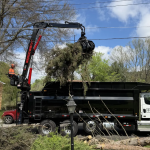
Tripoli Tree Care uses bucket trucks, spider lifts, cranes, grapple trucks, and rigging systems. Not every project needs all of them, and not every large removal requires a crane. Selection depends on size, access, terrain, reach, and obstacles.
Homeowners can see more about the equipment used for complex tree work, but the assessment determines what is appropriate for a specific property.
8. The Available Drop Zone and Removal Method
A drop zone is an area kept clear for material coming out of the tree. During the assessment, we determine how much usable space exists and what lies beside or beneath it.
If there is not enough open space, the tree may need to be dismantled in smaller, controlled sections. Rigging, aerial access, or crane assistance may be considered based on the site, but the method is not selected from tree height alone.
The safest practical approach may not look like the fastest one. Maintaining control around a roof, utility, or neighboring property requires careful planning. Our large tree removal in Pittsburgh page provides service information for complicated projects.
9. Protection for the Surrounding Property
The removal plan also accounts for lawns, gardens, patios, roofs, driveways, fencing, and other property features. We look at where equipment may travel, where material will be handled, and which areas need additional consideration.
Our goal is to reduce unnecessary impact and maintain control. Property-protection measures depend on ground conditions, access, the tree’s position, and nearby features.
10. Crew Positioning and Work-Zone Control
We plan where workers, equipment, vehicles, and removed material will be positioned. The work zone must allow movement without placing people beneath active tree work or in an equipment path.
Homeowners, children, pets, neighbors, pedestrians, and unnecessary vehicles must remain outside the active area. On a tight lot or near a sidewalk, controlling access can be a major planning factor. Our professionals establish those boundaries.
11. Weather and Timing
Strong wind, lightning, heavy rain, ice, poor visibility, or unstable ground may change whether work can proceed as planned. Conditions can also affect equipment placement and the ability to maintain control around nearby property.
Weather and site conditions determine whether work can proceed as scheduled. A tree that becomes unstable during a storm may require a different response from a routine project. Our emergency tree service page covers urgent situations.
12. Debris, Logs, and Stump Plans
Cleanup is discussed before the first cut because wood flow affects the entire site. Our team needs to know how branches and logs can leave the property, where debris vehicles may be positioned, and whether the access route can handle the material.
We may also clarify:
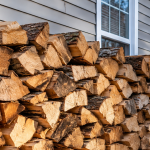
- Whether the customer wants to retain usable wood
- Where logs and brush can be staged without blocking the work zone
- Whether stump grinding is included or scheduled separately
- Whether the area will later be used for grass, mulch, or replanting
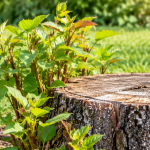
Stump work is a separate part of the scope and may require its own access considerations. Our stump grinding services page provides the dedicated service details.
How These Checks Shape the Final Removal Plan
The final plan brings these observations together. We determine an appropriate approach, possible access equipment, equipment placement, and work-zone arrangement.
It also establishes how material will leave the property, what protection measures may be appropriate, and whether outside coordination is required. Those decisions shape the estimate’s scope.
This planning takes place before the work begins. It allows our team to arrive with a defined approach that reflects the tree and the property rather than treating every large removal the same way.
What Homeowners Can Do Before the Assessment
The professional assessment remains our responsibility, but a homeowner can provide useful site information. Before or during the visit:
- Explain what concerns you and describe any recent leaning, cracking, or falling branches
- Point out known property lines, septic areas, irrigation, drainage features, and invisible fencing
- Make gates and driveways accessible, and move vehicles if requested
- Tell us about soft ground or underground systems that may not be visible
- Keep children and pets away from the assessment and future work area
You do not need to climb, cut, probe, or approach an unstable tree to help. Observations made from a safe location and accurate information about the property are enough.
Planning a Large Tree Removal in Pittsburgh
Large-tree removal begins with understanding the site. Tripoli Tree Care evaluates the tree, property access, nearby structures, utilities, ground conditions, equipment needs, and cleanup route before recommending a removal approach.
Homeowners and property managers in Pittsburgh and the surrounding service area can call (412) 659-8267 to request a free estimate. Our team will explain the proposed scope and answer questions about the assessment.