Key Takeaways:
- High Fatality: Oak Wilt is a fungal disease that can kill a healthy Red Oak in as little as four to six weeks.
- Pruning Window: Never prune Oak trees between April and July, as open wounds attract the beetles that carry the fungus.
- Root Spread: The disease travels underground through root grafts, meaning one infected tree can kill an entire neighborhood stand.
- Early Detection: Watch for leaves turning dull green or bronze at the tips while the base remains green.
- Professional Intervention: Specialized fungicide injections are the only way to protect high-value Oaks from infection.
For homeowners living near North Park, McCandless, and the wooded ridges of Allegheny County, the Oak tree is the undisputed king of the landscape. These majestic giants, some of which have stood since before the steel mills lined our rivers, provide the deep shade and structural beauty that define Western Pennsylvania. However, a silent and swift killer is moving through our local canopy: Oak Wilt.
Oak Wilt (Bretziella fagacearum) is one of the most destructive tree diseases in the United States. In Pittsburgh, where Oaks make up a significant portion of our urban forest, the impact of an outbreak can be catastrophic. Understanding how this disease spreads and how to prevent it is not just a matter of landscaping; it is a matter of preserving the ecological heritage of our region.
What is Oak Wilt?
Oak Wilt is a vascular wilt disease caused by a fungus. Think of the tree’s vascular system (the xylem) as its plumbing. The fungus invades these water-conducting tissues, causing the tree to recognize a foreign invader. In an attempt to stop the fungus from spreading, the tree overreacts by plugging its own vessels with tyloses.
Ironically, the tree’s defense mechanism is what kills it. By plugging its own plumbing, the tree can no longer transport water from the roots to the leaves. The result is a rapid wilting process that looks as if the tree has been scorched by fire.
Identifying the Symptoms in North Park Landscapes
The symptoms of Oak Wilt vary depending on the group of oak trees. In Allegheny County, we primarily deal with the Red Oak group (Red, Black, Pin, and Scarlet Oaks) and the White Oak group (White, Chestnut, and Bur Oaks).
1. The Red Oak Group (Highly Susceptible)
Red Oaks are the canaries in the coal mine for Oak Wilt. If a Red Oak is infected, it will typically die within a single growing season, sometimes in less than two months.
- Leaf Discoloration: Leaves begin to turn a dull green or bronze, starting at the outer edges and moving inward toward the stem.
- Rapid Defoliation: Unlike autumn leaf drop, an infected tree will drop leaves while they are still partially green, often carpeting the lawn in mid-July.
- Top-Down Dieback: The wilting usually starts at the very top of the canopy and progresses rapidly downward.
2. The White Oak Group (Moderate Resistance)
White Oaks have a different internal structure that allows them to wall off the fungus more effectively. An infected White Oak may only lose one or two branches a year and can survive for several seasons before eventually succumbing.
The Two Modes of Spread: Above and Below Ground
Understanding how Oak Wilt moves through a North Park neighborhood is the key to stopping it. It utilizes a two-pronged attack.
1. Above Ground: The Nitidulid Beetle
When a tree dies from Oak Wilt, the fungus produces pressure pads or fungal mats under the bark. These mats smell like fermented fruit, which attracts Nitidulid beetles (often called sap beetles). As the beetles feed on the fungus, they get covered in spores. When they fly to a healthy tree that has a fresh wound, such as a pruning cut or storm damage, they deposit the spores, starting a new infection.
2. Below Ground: Root Grafting
This is perhaps the most dangerous aspect of the disease. In a forest setting like North Park or a heavily wooded residential street in Wexford, trees of the same species often graft their roots together underground. This creates a shared vascular network. Once the fungus enters one tree, it can swim through the roots into every connected Oak in the area. A single infection can create an Oak Wilt Center that expands outward in a circle, killing dozens of trees.
The No Prune Rule: April to July
In Pittsburgh, we have a very specific window of danger. The beetles that carry Oak Wilt are most active during the spring and early summer when sap is flowing. Never prune an Oak tree in Allegheny County between April 1st and July 15th. If a storm breaks a limb during this window, the wound should be immediately covered with a thin layer of latex-based paint or tree wound dressing. While we usually advise against wound paint for general tree health, Oak Wilt is the one exception where sealing the wound is a life-saving measure to keep beetles away.
Modern Treatments and Prevention
If you are a homeowner with high-value Oaks on your property, you don’t have to wait for the disease to arrive.
- Macro-Injections: ISA Certified Arborists can perform a macro-infusion of fungicide (typically Propiconazole). This treatment is systemic, meaning the fungicide is pumped directly into the tree’s vascular system, protecting it for up to two years. This is highly effective as a preventative measure if Oak Wilt has been spotted in your neighborhood.
- Severing Root Grafts: If a tree on your property is already infected, a professional can use a vibratory plow or trenching tool to cut the root connections between the sick tree and its healthy neighbors. This firebreak stops the underground spread.
The threat of Oak Wilt in the North Park area requires a vigilant and scientifically backed approach to tree maintenance.
Tripoli Tree Care is dedicated to preserving the iconic Oak canopy of Allegheny County through expert diagnostics and preventative treatments. Our family-owned company features ISA Certified Arborists who are specifically trained to identify the early signs of Oak Wilt and provide the high-pressure macro-injections necessary to protect your high-value trees. Based in Pittsburgh, we understand the local patterns of fungal spread and strictly adhere to safe pruning windows to ensure your landscape remains a sanctuary, not a hazard.
We specialize in tree removal, tree trimming & pruning, stump grinding, 24/7 emergency tree service, storm damage cleanup, debris removal, tree planting, shrub planting, commercial tree services, land clearing, and topsoil & grass seeding that ensure your new trees have the best start possible. Fully licensed and insured with a BBB A+ rating, we prioritize the safety of your home and the health of your canopy. Trust Tripoli Tree Care to stand as the frontline defense for your property’s trees. Call us today at (412) 659-8267 for a free estimate.
Frequently Asked Questions by Homeowners in Pittsburgh, Pennsylvania
1. How much does tree removal usually cost in Pittsburgh, Pennsylvania?
For an Oak tree killed by Oak Wilt, removal can be more expensive (ranging from $1,500 to $4,000+) because the wood must be handled carefully to prevent further spread. The cost depends on the tree’s size and its proximity to your home.
2. Who do I call for tree service near me?
You should always contact a certified arborist when dealing with diseases like Oak Wilt. Tripoli Tree Care serves the entire Pittsburgh Metro area, including North Park, Allison Park, and Franklin Park.
3. Do I need a permit to remove a tree in Pittsburgh, Pennsylvania?
In many Allegheny County municipalities, you do not need a permit for private property removals. However, if the tree is on a steep slope or in a protected park zone, local ordinances may apply. We can help you check your specific borough’s rules.
4. Can I save a Red Oak once it shows symptoms?
Unfortunately, no. Once a Red Oak shows significant wilting, the vascular system is usually too compromised to save. The focus must immediately shift to protecting the surrounding trees through injections and root trenching.
5. Do you offer emergency tree service after storms in Pittsburgh, Pennsylvania?
Yes. If an Oak limb breaks during the danger window of spring, call Tripoli Tree Care immediately at (412) 659-8267. We can remove the hazard and properly seal the wound to prevent beetle attraction.
6. What should I do with the wood from an Oak Wilt tree?
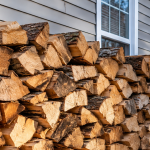
The wood should never be moved to a different area, as this spreads the fungus. It must be chipped, debarked, or buried. If kept for firewood, it must be covered with a heavy tarp and sealed to the ground for one full year to kill any fungal mats.
7. Is Oak Wilt the same as Oak Decline?
No. Oak Decline is a slow process caused by environmental stress, while Oak Wilt is an aggressive, infectious fungal disease that causes rapid death.
8. How often should I have my Oaks inspected?
In the North Park and Wexford areas, we recommend a professional health inspection every two years. Early detection of Oak Wilt in a single tree can save dozens of others in your neighborhood.
Summary Checklist: Oak Wilt Prevention
| Condition | Risk Level | Recommended Action |
| Oak Pruning (April–July) | Critical | Stop all pruning; seal any accidental wounds immediately |
| Sudden Browning of Canopy | High | Contact an ISA Certified Arborist for a diagnostic test |
| Oak Wilt in Neighborhood | High | Schedule preventative macro-injections for healthy Oaks |
| Shared Wooded Borders | Moderate | Consult on root-trenching to break underground grafts |
| Dead Oak with Fruity Odor | Critical | Remove and properly dispose of wood to stop beetle spread |
Final Advice
Living in the North Park area means being a steward of one of the most beautiful urban forests in the country. Because Oak Wilt moves with such devastating speed, the best defense is a proactive community. Talk to your neighbors about the no-prune window and keep a close eye on the health of your canopy during the peak of summer. Remember that a dying Oak tree is not just a loss of property value; it is a source of infection for every other Oak within the flight path of a sap beetle or the reach of a root system. If you suspect a tree on your property is struggling, do not wait for the leaves to fall; early professional intervention is the only way to break the cycle of infection. By following these science-based guidelines and relying on expert care, we can ensure that the majestic Oaks of Allegheny County continue to shade our homes for another century.
For a free health evaluation or to discuss preventative injections, contact the experts at Tripoli Tree Care.