Key Takeaways
- Check Local Codes: Pittsburgh and surrounding boroughs have varying rules for tree removal permits.
- Verify Ownership: Confirm the tree is on your property by checking your survey to avoid legal disputes with neighbors.
- Prioritize Safety: Never attempt a large removal yourself; professional rigging is required for urban settings.
- Manage Debris: Have a plan for wood disposal or stump grinding before the crew arrives.
- Insurance is Key: Ensure your chosen contractor carries both liability and workers’ compensation.
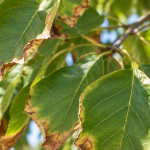
Pittsburgh is a city of trees. From the massive oaks of North Park to the historic elms of Shadyside, our urban canopy is a source of pride and environmental health. However, there comes a time when every homeowner must face the reality of tree removal. Whether it’s due to storm damage, disease like Oak Wilt, or structural interference with your home’s foundation, removing a tree in the Steel City is not as simple as revving up a chainsaw.
Because of Pittsburgh’s unique topography, narrow streets, and strict municipal codes, a successful removal requires careful planning. Before you take down a tree on your property, here are the eight critical things you need to know to stay legal, safe, and on good terms with your neighbors.
1. Understanding Pittsburgh’s Permit Requirements
The first question every Pittsburgher asks is: Do I need a permit? The answer depends entirely on the tree’s location.
Street Trees
If the tree is located in the public right-of-way (usually the strip between the sidewalk and the street), it belongs to the City of Pittsburgh. You cannot prune or remove these trees without an official permit from the Pittsburgh Forestry Division.
Private Property
Generally, the City of Pittsburgh does not require a permit for removing a tree on private property unless it is part of a protected environmental overlay, such as a steep slope or a designated wetland area. However, boroughs like Fox Chapel or Sewickley have much stricter ordinances that may require an arborist’s report before any major tree is removed. You can verify state-level forestry guidelines through the Pennsylvania Bureau of Forestry.
2. Navigating the Property Line Grey Area
In the densely packed neighborhoods of South Side or Lawrenceville, property lines can be confusing. A common source of legal conflict in Allegheny County is the Boundary Tree, a tree that sits directly on the line between two properties.
Under Pennsylvania law, a tree belongs to the person on whose land the trunk stands. If the trunk is shared, both neighbors must agree to the removal. Cutting down a neighbor’s tree, even if the branches hang over your roof, can result in triple damages, meaning you could be sued for three times the value of the tree. Always consult your property survey before scheduling a removal.
3. The Danger of DIY Removal in Urban Spaces
In rural areas, you might be able to fell a tree in an open field. In Pittsburgh, trees are usually boxed in by houses, fences, and power lines. Professional arborists use a technique called Technical Rigging. This involves a system of ropes, pulleys, and blocks that allow pieces of the tree to be lowered slowly and precisely to the ground.
According to the U.S. Occupational Safety and Health Administration (OSHA), attempting to remove a tree yourself without proper equipment often leads to barber-chairing (where the trunk splits vertically and kicks back) or dropping heavy limbs through your own roof or your neighbor’s.
4. Identifying Utility Hazards
Pittsburgh’s utility infrastructure is a web of overhead lines. If a tree is within ten feet of a primary power line, it is considered a high-voltage hazard. Duquesne Light Company often manages the pruning for line clearance, but they generally do not remove the entire tree unless it poses a direct threat to the grid.
Never attempt to remove a tree that is tangled in wires. Professional crews like Tripoli Tree Care are trained to work around utilities and can coordinate with the power company to have lines sleeved or temporarily disconnected for a safe removal.
5. Managing the Stump and Debris
Once the tree is on the ground, the job is only half done. A common mistake homeowners make is assuming the stump is included in the removal price.
Stump Grinding
This involves a machine that chews the stump down to 6-12 inches below the surface. Without this, the stump will remain for decades, attracting termites and preventing you from replanting.
Debris Hauling
A single 50-foot oak produces tons of wood and brush. Ensure your quote includes full debris removal, or you’ll be left with a massive pile of logs that the city’s trash pickup will not take.
6. Considering the Environmental Impact
In a city prone to landslides and basement flooding, trees are your best friends. Their roots act as rebar for the soil on our steep hillsides. If you remove a large tree on a slope, you may inadvertently increase the risk of soil erosion or water runoff into your foundation. According to Penn State Extension, it is often recommended to plant a smaller, more manageable species in its place to maintain soil stability.
7. Verifying Insurance and Credentials
Tree work is statistically one of the most dangerous professions in America. If a worker is injured on your property and the company does not have Workers’ Compensation, you, the homeowner, could be held liable for their medical bills and lost wages. Always look for arborists certified by the International Society of Arboriculture (ISA).
Before signing a contract, ask for a Certificate of Insurance (COI) sent directly from the insurance agent to you. It should list:
- General Liability (to cover damage to your house).
- Workers’ Compensation (to cover the crew).
You can also verify a tree care company’s professional standing through the Tree Care Industry Association (TCIA).
8. Timing Your Removal
You can remove a tree year-round in Pittsburgh, but timing can work in your favor. Removing a tree in winter when the ground is frozen reduces turf damage from heavy equipment. Early spring removal lets you prep the site right away for new grass or landscaping.
Navigating the complexities of Pittsburgh’s urban forest requires a team that understands the local landscape and the safety protocols of Allegheny County.
When you’re ready to move forward, Tripoli Tree Care is the tree service Pittsburgh homeowners trust for safe, clean removals across Allegheny County. ISA-certified arborists on every job, fully licensed and insured, with the equipment to work safely in tight residential spaces without tearing up your yard.
Frequently Asked Questions
1. How much does tree removal usually cost in Pittsburgh, Pennsylvania?
In Pittsburgh, removals typically range from $600 to $3,000. Factors that increase the price include proximity to the house, the need for a crane, and whether the tree is dead or structurally unstable, making it more dangerous to climb.
2. Who do I call for tree service in Pittsburgh, Pennsylvania?
You should always look for a local company with ISA Certified Arborists. Tripoli Tree Care provides comprehensive service across the Greater Pittsburgh area, from the North Hills to Peters Township.
3. Do I need a permit to remove a tree in Pittsburgh, Pennsylvania?
Only for trees on the public right-of-way or in specific environmental overlay districts. Private property trees in the city usually don’t require permits, but many surrounding boroughs (like Fox Chapel) do.
4. How do I know if my tree needs to come down?
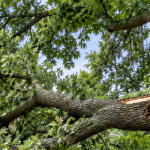
Look for conks (mushrooms) at the base, large cracks in the trunk, or a canopy that is over 50% dead. If the tree has a sudden lean, it is a critical emergency.
5. Do you offer emergency tree service after storms in Pittsburgh, Pennsylvania?
Yes. High winds and heavy rains in Western PA often cause sudden failures. Tripoli Tree Care offers 24/7 emergency response to clear trees from structures and driveways safely.
6. What happens to the wood after removal?
We offer full debris removal and hauling. If you prefer to keep the wood for firewood, we can cut it into manageable logs for you, though splitting is usually a separate service.
7. Can you remove a tree without a crane in Pittsburgh, Pennsylvania?
Yes. Our crews are expert climbers and use specialized rigging to lower branches in tight spaces where a crane cannot reach.
8. Will my insurance pay for tree removal in Pittsburgh, Pennsylvania?
Insurance usually only pays if the tree has already fallen on a covered structure (like your house or fence). They rarely pay for preventative removal, even if the tree looks dangerous.
Summary Checklist: Pittsburgh Tree Removal Readiness
| Condition | Risk Level | Recommended Action |
|---|---|---|
| Tree Near Power Lines | Critical | Call a professional; do not touch or prune yourself |
| Trunk on Property Line | Moderate | Get written consent from your neighbor before removal |
| Dead/Hanging Widow-makers | High | Schedule removal immediately to prevent injury |
| Tree on Steep Slope | Moderate | Consult an arborist about soil erosion and replanting |
| Stump in Walkway | Low | Schedule stump grinding to remove tripping hazards |
Final Advice
Removing a tree in Pittsburgh is a significant decision that impacts your property’s safety, value, and environmental footprint. The most important step you can take is to verify the tree’s health and legal status before any saws are started. By confirming your property lines and checking for local borough permits, you protect yourself from expensive legal disputes and municipal fines.
Remember that in an urban environment, a tree’s weight and lean are unpredictable; never settle for a door-knocker with a truck that cannot provide proof of workers’ compensation insurance. A professional removal might seem like a higher upfront cost, but it ensures that your home, your neighbor’s property, and the safety of the crew are never compromised.
Get Expert Help in Allegheny County
Free estimates. Workmanship guarantee. ISA Certified Arborists on every job.
Call (412) 659-8267 Today