
Key Takeaways
- Street trees in Pittsburgh are often located on public property, but nearby homeowners have responsibilities for safety and maintenance.
- Determining ownership depends on the tree’s location relative to the sidewalk, curb, and property lines.
- Storm damage or unsafe trees may require immediate attention, and city regulations guide what actions are permitted.
Street trees are a defining feature of Pittsburgh’s neighborhoods, providing shade, improving air quality, and enhancing curb appeal. But when a tree is planted between the sidewalk and the street, or in other public areas, many homeowners wonder: Who is responsible if something goes wrong?
Understanding ownership and responsibility is essential for safety, legal compliance, and property protection. Street trees are technically owned by the city, but adjacent property owners often share maintenance responsibilities, especially regarding hazards that could affect people, vehicles, or structures.
Determining Street Tree Ownership
Street tree ownership in Pittsburgh is influenced by location, historical plantings, and city ordinances:
1. Trees on the Public Right-of-Way
Most trees located between the sidewalk and the curb are city-owned. The city manages planting, pruning, and removal decisions. Homeowners should report hazardous conditions to the Department of Public Works or the Urban Forestry Division.
2. Trees on Private Property
If the tree trunk is entirely on private property, the homeowner is responsible for maintenance, including pruning, disease management, and storm preparedness.
3. Boundary or “Shared” Trees
Some trees straddle property lines or grow near sidewalks. These cases can be complex, as responsibility may be shared between the city and the property owner. Consulting local ordinances or a certified arborist can clarify liability.
Homeowner Responsibilities
Even when the city technically owns a street tree, property owners have a vested interest in ensuring safety and tree health:
- Reporting Hazards: Fallen limbs, cracked trunks, or disease outbreaks should be promptly reported to avoid injury or property damage.
- Avoiding Unauthorized Work: Homeowners should not prune or remove city-owned trees without proper approval. Doing so could lead to fines or required replacement plantings.
- Maintaining Trees on Private Property: Proper pruning, watering, mulching, and pest management keep trees safe and healthy.
Regular inspections, particularly after storms, can prevent accidents and reduce legal liability. Hiring a certified arborist ensures trees are maintained according to professional standards without infringing on city jurisdiction.
City Responsibilities
Pittsburgh has policies in place to manage street trees and maintain public safety:
- Pruning and Removal: The city schedules pruning cycles and removes hazardous trees that pose a public risk.
- Planting Programs: New trees are planted in line with urban forestry plans to enhance tree canopy coverage.
- Emergency Response: Fallen or storm-damaged trees are assessed by city crews, and immediate hazards are prioritized.
While the city provides these services, homeowners play a key role by monitoring conditions and reporting issues early.
Common Street Tree Issues
- Storm Damage
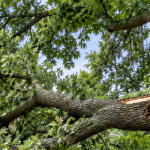
Wind and heavy rain can compromise tree stability, causing limbs or entire trees to fall. Prompt reporting and professional assessment are critical.
- Disease and Pests
Emerging pests like the Emerald Ash Borer and general fungal infections can weaken trees. Early detection allows for treatments that preserve both safety and aesthetics.
- Root Damage
Roots can affect sidewalks, driveways, and underground utilities. Homeowners should coordinate with the city before modifying roots or soil around street trees.
- Property Conflicts
Overhanging branches or encroaching roots can raise disputes. Professional guidance ensures safe pruning that respects regulations and maintains tree health.
Tips for Safe Street Tree Management
1. Know Your Rights and Limits
Understand whether the tree is city-owned or private, and seek guidance before performing work.
2. Hire Certified Professionals
Certified arborists have the tools, expertise, and insurance to handle trees safely near sidewalks, streets, or homes.
3. Regular Maintenance
Prune dead or weak branches, remove debris, and inspect trees for disease or structural weaknesses.
4. Monitor After Storms
Check for cracks, lean, or root damage that could compromise stability. Report city-owned hazards immediately.
5. Educate Yourself About Local Ordinances
Pittsburgh’s Department of Public Works and Urban Forestry provides clear guidance on street tree care, permitting, and homeowner responsibilities.
Frequently Asked Questions
Who is responsible for a tree that falls on my property?
If the tree is city-owned, the city typically assumes responsibility. If it is on private property, the homeowner is usually responsible.
Can I prune a street tree myself?
No. Street trees are typically city-owned and require approval before any pruning. Unauthorized work may lead to penalties.
What if a street tree is diseased or dying?
Report city-owned trees to your local Department of Public Works. For private trees, consult a certified arborist for proper diagnosis and treatment.
How far can branches overhang before it becomes a concern?
Branches that interfere with roofs, walkways, or driveways should be inspected. A professional can assess risk and recommend safe trimming.
Can professionals handle trees near sidewalks or roads safely?
Yes. Trained arborists use proper equipment and follow safety standards to manage trees near streets, sidewalks, and utilities.
Conclusion
Street trees are a valuable part of Pittsburgh’s urban landscape, providing shade, beauty, and environmental benefits. Understanding ownership and responsibility helps homeowners protect their property while maintaining safe, healthy trees. Whether the tree is city-owned or on private land, staying informed, monitoring conditions, and using professional services ensures safety and compliance.
Tripoli Tree Care provides expert evaluation, pruning, and hazard mitigation for residential and street trees across Pittsburgh. Their ISA Certified Arborists assess tree health, spot potential risks, and recommend practical next steps based on your property. Whether you need routine maintenance, storm prep, or urgent removal, their team works safely and efficiently. With the right equipment and experience, they help homeowners protect their property while maintaining the long-term health and structure of their trees.
If you’re looking for reliable tree service in Pittsburgh, Tripoli Tree Care delivers straightforward, professional solutions without cutting corners.