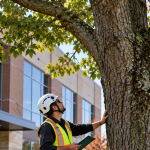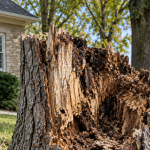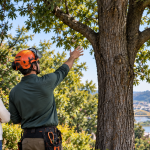
Pittsburgh’s distinct seasons bring beauty, but also unique challenges for tree health. From humid summers to snowy winters, local trees face a constant battle against the elements and common urban stressors. Understanding these year-round impacts is key to maintaining a vibrant, safe landscape for your home or business.
Key Takeaways
- Pittsburgh’s humid continental climate creates specific risks for tree health, including increased susceptibility to diseases and pests.
- Seasonal care strategies are crucial, with tailored approaches needed for spring growth, summer heat, fall preparation, and winter protection.
- Local regulations, particularly for public trees, require specific permits and adherence to city guidelines.
- Professional tree care from ISA Certified Arborists ensures safety, proper diagnosis, effective treatment, and adherence to local standards.
- Tripoli Tree Care provides comprehensive, insured, and highly-rated services to protect and enhance Pittsburgh’s urban forest.
- Addressing common pain points like incomplete work and unclear pricing, Tripoli Tree Care commits to transparent, quality service.
- When in doubt, schedule an inspection, don’t wait for the lean to worsen
Understanding Pittsburgh’s Unique Climate and Its Impact on Trees
Trees in the Pittsburgh area contend with a complex mix of environmental factors. Our city’s location, where humid continental and humid subtropical influences meet, means hot, humid summers, cold and snowy winters, and often wet, mild transitional seasons. These shifts can stress trees, making them vulnerable to a range of issues. From the South Side Slopes to Squirrel Hill, every neighborhood’s trees feel these impacts.
Common Tree Diseases and Invasive Threats in Pittsburgh
Pittsburgh’s climate creates a fertile ground for various tree ailments and attracts specific pests. Early identification and treatment are crucial for tree survival.
Fungal and Bacterial Infections
Wet springs and humid summers contribute to the spread of many diseases, weakening trees across the region.
- Oak Wilt: A serious fungal disease that can rapidly kill oak trees.
- Anthracnose: Commonly affects sycamore, maple, oak, and ash, causing leaf spots and blight.
- Powdery Mildew: Visible white powdery growth on leaves, weakening the tree.
- Bacterial Leaf Scorch: Causes leaf browning and premature defoliation, particularly in oaks, maples, and elms.
Invasive Pests and Plants
Beyond diseases, invasive species pose a direct threat by outcompeting native plants and damaging tree health.
- Emerald Ash Borer: Devastated ash tree populations across Pennsylvania, including Allegheny County.
- Spotted Lanternfly: While not directly killing trees, it stresses them and is a significant nuisance, often found on the invasive Tree-of-Heaven.
- Norway Maple & Callery Pear: Invasive tree species that crowd out native flora, reducing biodiversity.
- Beech Leaf Disease: An emerging threat caused by microscopic nematodes, severely impacting beech trees.
Year-Round Tree Care Strategies from Tripoli Tree Care
Effective tree care isn’t a one-time event; it’s a year-round commitment. Tripoli Tree Care offers tailored services to address the specific needs of your trees throughout Pittsburgh’s distinct seasons.
Spring: Promoting Growth and Preventing Disease
Spring is a time for new growth and early intervention. Our team focuses on preventative measures.
- Inspection: Early detection of winter damage, emerging pests, or disease symptoms.
- Pruning: Removing dead or weak branches to encourage healthy spring growth.
- Fertilization: Providing essential nutrients to support vigorous development.
- Pest & Disease Management: Applying preventative treatments as needed to ward off early threats.
Summer: Managing Stress and Monitoring Pests
Summer heat and humidity can stress trees, making proper hydration and pest vigilance critical. We help your trees stay resilient.
- Hydration Support: Advising on watering strategies during dry spells.
- Pest Control: Targeted treatments for active infestations like aphids or borers.
- Canopy Thinning: Improving air circulation within the canopy to reduce fungal disease risk.
- Storm Prep: Identifying and addressing weak limbs that could pose a hazard during summer storms.
Fall: Preparing for Dormancy and Winter Hardiness
Preparing trees for the dormant season is vital for their long-term health and structural integrity. Fall services focus on fortification.
- Structural Pruning: Removing hazardous branches before winter snow and ice.
- Deep Root Fertilization: Building nutrient reserves for the dormant period and next spring.
- Tree Wrapping/Guarding: Protecting young or vulnerable trees from winter damage.
- Disease Check: Final inspection for late-season diseases that could overwinter.
Winter: Protection from Elements and Essential Removals
Even dormant trees need attention. Winter care protects against environmental damage and prepares for spring. This is also when we perform necessary removals.
- Hazard Assessment: Evaluating trees for potential risks from heavy snow and ice.
- Dormant Pruning: Ideal for structural corrections, as the tree structure is visible.
- Tree Removal: Often easier and safer when leaves are absent, and the ground is firm (or frozen).
- Storm Cleanup: Responding promptly to damage from winter storms is a critical service for Pittsburgh residents.
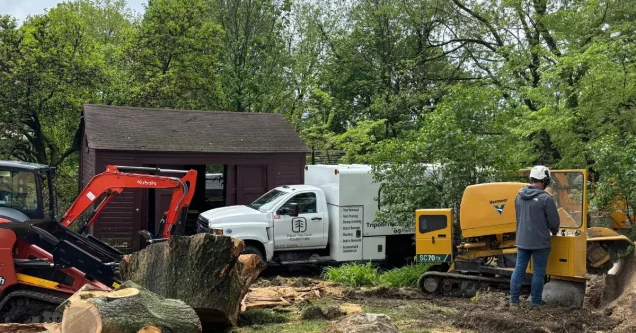
Why Professional Tree Care is Essential for Pittsburgh Homeowners
Trying to tackle complex tree care tasks yourself can lead to incomplete work, property damage, or even injury. Professional arborists offer the expertise, equipment, and safety protocols necessary for effective and secure tree maintenance. Our ISA Certified Arborists at Tripoli Tree Care provide peace of mind.
- Expert Diagnosis: Correctly identifying diseases, pests, and structural weaknesses.
- Safety First: Utilizing specialized equipment and techniques to prevent accidents and property damage.
- Local Knowledge: Understanding Pittsburgh’s specific tree species, climate challenges, and regulations.
- Efficient Service: Completing complex jobs quickly and thoroughly, avoiding scheduling delays.
- Transparent Pricing: Clear, upfront estimates eliminate hidden fees, a common customer pain point.
- Comprehensive Cleanup: Ensuring your property is left spotless after service.
DIY vs. Professional Tree Care: A Pittsburgh Perspective
Deciding whether to handle tree care yourself or hire professionals can be a tough call. For the unique challenges of Pittsburgh’s climate and urban environment, the benefits of professional service often outweigh the perceived savings of DIY.
Frequently Asked Questions
How does Pittsburgh’s specific climate impact tree health?
Pittsburgh’s humid continental climate brings hot, wet summers and cold, snowy winters. These conditions, especially wet springs and freeze-thaw cycles, increase tree susceptibility to fungal diseases like anthracnose, bacterial issues like leaf scorch, and pest infestations such as the Emerald Ash Borer.
What are the most common tree diseases and pests in Pittsburgh?
Common tree diseases include oak wilt, anthracnose, powdery mildew, and bacterial leaf scorch. Pests like the Emerald Ash Borer and the Spotted Lanternfly also pose significant threats. Regular inspections by ISA Certified Arborists help identify and manage these issues early.
Why should I hire a professional for tree care instead of doing it myself?
Professional arborists provide expert diagnosis and treatment, ensuring proper techniques for pruning, disease management, and safe removal. They also understand local regulations and can offer proactive strategies to protect your trees from Pittsburgh’s specific environmental stressors.
Who should I contact about a problem with a street tree in Pittsburgh?
You can contact 311 for issues concerning street trees in Pittsburgh. For private property tree concerns, reaching out to a qualified local arborist like Tripoli Tree Care is the best first step to get professional advice and service.