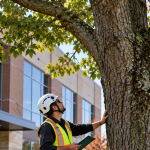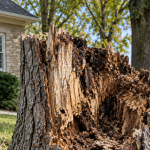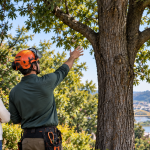
Many commercial properties benefit from a professional tree inspection at least once a year. Additional inspections should be considered after severe weather, construction, flooding, vehicle impacts, soil disturbance, or visible changes in a tree.
Annual inspections are a practical baseline for properties where trees stand near people, vehicles, buildings, walkways, and essential access points. However, this is not a universal legal requirement or a guarantee that a tree will remain unchanged for an entire year.
The right tree inspection schedule depends on tree condition, site activity, nearby targets, previous damage, and the consequences of a potential failure. A property with mature trees over a busy entrance may need closer monitoring than a site with young trees in low-use areas.
Tripoli Tree Care works with businesses, property managers, schools, apartment communities, and other organizations through our commercial tree services. We help property decision-makers evaluate visible concerns and identify appropriate next steps.
Is One Professional Tree Inspection Per Year Enough?
One professional tree inspection per year can be a reasonable baseline for many commercial properties, particularly where trees are located near buildings, parking areas, walkways, entrances, or other frequently occupied spaces. However, inspection frequency should be based on the tree’s condition, site risk, and changes around the property rather than following a fixed schedule for every tree.
Inspection frequency should reflect how the property is used. A large tree beside a busy parking area, building entrance, playground, or outdoor seating space deserves different consideration from a tree in an isolated corner. The ISA Best Management Practices for Tree Risk Assessment explains how factors such as tree condition, site conditions, and potential targets are considered when evaluating tree risk.
An annual inspection also does not replace event-based assessments. A severe storm, construction project, vehicle collision, or other site disturbance can change a tree’s condition shortly after its last scheduled inspection. Penn State Extension’s guidance on dealing with tree risk recommends inspecting trees after major storm events to identify broken or damaged branches and other hazards.
The inspecting arborist may recommend a shorter or longer monitoring interval for individual trees. That recommendation may consider:
- Tree species, age, and size
- Current health and structural condition
- Previous branch or root damage
- Surrounding people and property
- Changes observed during earlier inspections
- History of storm-related failures
- Property use and occupancy
- Management priorities and risk tolerance
The ISA Basic Tree Risk Assessment Form guidance includes a field for recommending when a tree should be reassessed. This supports a tree-specific monitoring schedule rather than assuming every tree requires the same inspection frequency.
Tree inspections and pruning schedules are not the same. An inspection evaluates the tree’s condition, structural concerns, site conditions, and potential risk. Pruning is a management action that may be recommended to address specific defects, clearance issues, deadwood, or other concerns identified during an assessment. Penn State Extension’s tree pruning guidance explains that mature trees may need pruning for specific purposes such as risk management, clearance, or storm damage rather than on an automatic annual schedule.
For commercial property owners, the practical approach is to inspect trees based on their individual risk and site conditions, document the findings, and follow the arborist’s recommended reassessment interval. Annual inspections may be appropriate for some properties, while higher-risk trees or changing site conditions can justify more frequent monitoring. This approach also creates a documented history of tree condition and recommended maintenance, helping property managers track changes over time. The U.S. Forest Service tree risk management guidelines provide additional guidance on establishing inspection intervals based on risk zones and site conditions.
Which Commercial Properties May Need More Frequent Inspections?
Properties with high occupancy, frequent pedestrian activity, or trees near valuable structures may benefit from more frequent inspections. The need is based on site-specific exposure rather than the property category alone.
Commercial settings that may justify closer monitoring include:
- Shopping centers
- Office parks
- Apartment and condominium communities
- Schools and childcare properties
- Healthcare facilities
- Hotels
- Restaurants with outdoor seating
- Industrial properties
- Homeowners associations
- Properties with large parking areas
- Sites with mature trees near entrances or walkways
Trees beside roads, loading areas, emergency access routes, playgrounds, or gathering spaces may affect more people if a branch fails. These locations should receive priority within the property’s inspection plan.
Properties with many trees may also need a structured rotation. High-priority trees can receive closer attention, while lower-use sections remain on a different schedule recommended by the arborist.
Our Cranberry Township tree service page provides information about the local tree work we perform for properties in this Butler County community.
When Should Trees Be Inspected Outside the Regular Schedule?
Commercial trees should be inspected after events that may have changed their roots, trunk, branches, or surrounding soil. Urgent warning signs should never wait until the next scheduled annual visit.
Arrange an additional inspection after:
- Strong winds or severe thunderstorms
- Heavy snow or ice accumulation
- A suspected lightning strike
- Flooding or prolonged saturated soil
- Construction or excavation near roots
- Trenching for utilities
- Changes in grading or drainage
- New paving near a tree
- Vehicle or equipment impacts
- Sudden leaning
- New cracks, cavities, or exposed decay
- Broken or hanging branches
- Rapid changes in leaf density or color
- Fungal growth near the trunk or root flare
- Reports from tenants, employees, customers, or visitors
Not every storm requires a detailed professional assessment of every tree. Property managers should consider storm severity, visible changes, previous tree condition, and what could be affected if a damaged part fails.
A property-wide check may be appropriate after a major weather event. Our storm-damage cleanup services can address fallen trees, broken limbs, debris, and other storm-related concerns when professional work is needed.
Why Should Trees Be Checked After Construction?
Trees should be evaluated after construction because root damage and soil changes may not produce immediate canopy symptoms. A tree can appear unchanged even after excavation, compaction, or drainage changes have affected its growing environment.
Construction-related concerns include:
- Excavation that cuts or exposes roots
- Trenching for utilities or drainage
- Heavy equipment traveling over root areas
- Soil stored around the trunk
- Changes to the existing grade
- New pavement or hardscaping
- Altered water flow
- Vehicle access close to trees
- Damage to trunks or lower branches
Root injury can affect water uptake, tree health, and structural stability. The consequences depend on which roots were affected, the amount of disturbance, tree species, soil conditions, and distance from the trunk.
Property managers should include trees in preconstruction planning rather than waiting for visible decline. Photos and inspection records made before work begins provide a useful baseline for evaluating later changes.
What Does a Commercial Tree Inspection Include?
A professional visual inspection generally examines the canopy, branches, trunk, visible roots, surrounding soil, and nearby targets. The goal is to identify observable conditions that may require maintenance, monitoring, or additional assessment.
An arborist may review:
- Crown density and overall vigor
- Dead, broken, or hanging branches
- Weak branch attachments
- Trunk cracks, cavities, or decay indicators
- Previous pruning cuts
- Visible wounds or storm damage
- Root flare and exposed roots
- Lean and changes in surrounding soil
- Fungal growth near the trunk or root area
- Signs associated with insects or disease
- Clearance around buildings and signs
- Branches over walkways, roads, and parking spaces
- Nearby utilities
- People, property, or activities beneath the tree
The property’s use is part of the evaluation. A branch over a fenced, unused area presents a different situation from a similar branch above an entrance used throughout the day.
A visual inspection has limits. Internal decay, buried roots, concealed defects, and changes high in the canopy may require a closer or more specialized assessment. No inspection can identify every hidden condition or predict exactly when a tree part might fail.
What Is the Difference Between a Routine Inspection and a Tree Risk Assessment?
A routine inspection is a general review for visible changes and maintenance concerns. A tree risk assessment takes a more focused look at defects, possible failure, nearby targets, and potential consequences.
Routine inspections can help build a consistent history for trees across a commercial property. They may identify dead branches, canopy decline, root-zone disturbance, clearance conflicts, or trees that need additional attention.
A detailed commercial tree risk assessment may focus on one tree, one group of trees, or a specific concern. The scope should be agreed upon before the assessment begins.
Not every inspection is a formal risk assessment. Property managers should ask what level of evaluation is being performed, which trees are included, and what type of documentation will be provided.
Which Trees Should Be Prioritized on a Commercial Property?
Prioritize trees that could affect high-use areas, valuable property, or essential access if a branch or entire tree fails. Visible changes and previous damage can raise a tree’s priority.
Give closer attention to trees:
- Near building entrances and exits
- Beside busy walkways
- Along parking areas
- Close to occupied buildings
- Over outdoor seating
- Near playgrounds or gathering spaces
- Beside roads and loading zones
- Near utility lines
- On or below slopes
- Near retaining walls
- With previous storm damage
- With a history of branch failure
- Showing new cracks, cavities, or canopy changes
One visible symptom does not automatically make a tree hazardous. For example, fungal growth, leaf discoloration, or a lean requires context before its significance can be determined.
Prioritization helps property managers direct attention where the potential consequences are greater. It does not mean lower-priority trees can be ignored indefinitely.
How Does Cranberry Township’s Weather Affect Inspection Timing?
Strong storms, wind, snow, ice, changing temperatures, and periods of saturated soil can justify additional tree inspections. Weather-related checks should supplement the regular schedule rather than replace it.
Different seasons can reveal different information. Leafless branches may make some structural features easier to see, while the growing season shows canopy density, leaf color, and areas that failed to produce normal foliage.
Heavy snow or ice can add weight to branches. Strong winds may break limbs, worsen existing cracks, or affect roots in wet ground. Freeze-thaw cycles can also change soil conditions around pavement, slopes, and root areas.
Weather affects each property differently. Tree species, exposure, drainage, previous pruning, surrounding structures, and ground conditions all influence how trees respond.
After severe weather, inspect from a safe distance and restrict access around visible hazards. Do not enter an area beneath hanging branches or an unstable tree.
What Warning Signs Should Property Staff Report Immediately?
Staff should immediately report changes that suggest a branch, trunk, or root system may have been damaged. Prompt reporting allows the property manager to restrict access and request professional help when needed.
Report conditions such as:
- Hanging or recently broken limbs
- A new or increasing lean
- Cracks in the trunk or major branches
- Uplifted soil around the roots
- Exposed or damaged roots
- Large areas of dead canopy
- Sudden leaf loss
- Mushrooms or conks near the tree’s base
- A tree struck by a vehicle or equipment
- Branches blocking signs or lights
- Trees obstructing roads or emergency access
- Branches touching power lines
Staff should not climb the tree, probe cavities, pull on hanging branches, or attempt to cut damaged wood. They should stay outside the potential drop area and keep tenants, visitors, and employees away.
If a tree or branch touches a power line, contact the utility provider and keep everyone clear. Call emergency services when there is an immediate danger to people or occupied structures.
Tripoli Tree Care provides 24/7 emergency tree service for urgent hazards involving fallen or unstable trees.
Can Property Staff Perform Their Own Tree Checks?
Property staff can make basic visual observations between professional inspections, but those checks do not replace an arborist’s evaluation. Staff members should report visible changes without making technical safety decisions.
A simple reporting system should record:
- Tree location
- Date and time observed
- Photographs taken from a safe distance
- Description of the visible change
- Recent weather or site work
- Nearby areas temporarily restricted
- Name of the person making the report
- Date the concern was sent for review
Provide staff with clear instructions about whom to contact. They should also know when to restrict a walkway, parking space, entrance, or outdoor area until the condition is evaluated.
Consistency matters more than technical terminology. A clear photograph and note that a branch changed after a storm can be more useful than an untrained diagnosis.
How Should Commercial Properties Document Tree Inspections?
Commercial properties should maintain consistent records that show how tree conditions and recommendations change over time. Organized documentation also makes budgeting and maintenance planning easier.
Useful records include:
- A tree inventory or site map
- Tree identification numbers or location descriptions
- Inspection dates
- Photographs
- Observed conditions
- Recommended actions
- Priority levels
- Monitoring dates
- Work proposals
- Completed pruning or removal records
- Construction or storm events near trees
- Contractor documentation
Use the same location labels across reports, maps, and work orders. A consistent system prevents confusion when several similar trees stand along a parking lot or property boundary.
Records do not guarantee that a tree will remain stable, eliminate risk, or automatically establish legal compliance. Their main value is helping property managers track change and follow through on recommended work.
What May Happen After an Inspection?
An inspection may lead to continued monitoring, routine maintenance, further assessment, site changes, pruning, removal, or urgent action. A healthy tree with no significant concern may need nothing beyond its next scheduled review.
Possible recommendations include:
- Monitoring a visible condition
- Scheduling another inspection
- Restricting access temporarily
- Removing dead or damaged branches
- Improving clearance from buildings or signs
- Evaluating soil or drainage changes
- Requesting a more detailed assessment
- Considering structural-support options
- Removing a tree when retention is not practical
- Replacing a removed tree in a suitable location
- Taking immediate action on an unstable tree
If pruning is recommended, our tree trimming and pruning service can address dead, broken, crossing, or clearance-related branches according to the approved scope.
If a tree is dead, severely damaged, or structurally unsuitable to retain, our tree removal service provides more information about removal planning. An inspection does not mean every tree needs pruning or removal.
How Can Property Managers Build a Practical Inspection Schedule?
A practical schedule combines recurring professional inspections with additional checks after storms, construction, and visible changes. The plan should be updated as trees and property use change.
- Create or update a tree inventory. Record tree locations so staff, managers, and contractors use consistent identifiers.
- Identify high-use areas and important targets. Prioritize entrances, walkways, parking spaces, buildings, roads, playgrounds, outdoor seating, and emergency routes.
- Establish a professional inspection interval. Annual inspection is a reasonable baseline for many active commercial properties, but follow the arborist’s site-specific recommendation.
- Add event-based inspections. Schedule an additional review after severe weather, construction, excavation, vehicle impacts, flooding, or significant soil changes.
- Record visible changes between professional visits. Ask staff to photograph concerns from a safe distance and report them promptly.
- Track recommendations and completed work. Record monitoring dates, approved maintenance, restricted areas, and finished projects.
- Review the schedule as conditions change. New construction, increased occupancy, storm damage, or aging trees may justify a different inspection frequency.
The schedule should remain practical enough for staff to follow. A complicated system that is rarely updated provides less value than a simple process used consistently.
What Affects the Cost of a Commercial Tree Inspection?
The cost depends on the number of trees, property conditions, assessment scope, and documentation requested. A small property with a few accessible trees requires a different effort from a multi-site portfolio.
Pricing factors may include:
- Number of trees
- Property size
- Tree height and condition
- Accessibility
- Terrain
- Distribution of trees across the site
- Level of assessment required
- Photography and documentation needs
- Mapping or inventory requirements
- Need for specialized evaluation
- Coordination across multiple properties
- Follow-up monitoring requirements
Clarify which trees and deliverables are included before approving the inspection. If formal reporting, mapping, or a more detailed assessment is needed, discuss that scope at the beginning.
Frequently Asked Questions About Commercial Tree Inspections
How often should commercial trees receive a professional inspection?
Many trees in active commercial areas benefit from a professional inspection at least annually. Trees with previous damage, visible defects, or important targets nearby may require more frequent monitoring. Follow the interval recommended after the property and trees have been evaluated.
Should trees be inspected after every storm?
Not every minor storm requires a full professional inspection. Additional assessment is appropriate after severe wind, heavy snow, ice, lightning, flooding, or any storm that causes visible changes. Hanging branches, new leans, cracks, or disturbed roots should receive prompt attention.
Is a tree inspection the same as a tree risk assessment?
No. A routine inspection is a general review for visible health, structural, and maintenance concerns. A tree risk assessment more specifically evaluates defects, potential failure, nearby targets, and possible consequences. Confirm the intended scope before the work begins.
Can maintenance staff inspect commercial trees?
Staff can make routine visual observations and report changes from the ground. They should not climb trees, probe decay, cut damaged branches, or make technical risk determinations. Professional inspections remain necessary for evaluating tree condition and recommending work.
What information should a commercial tree inspection report include?
The appropriate report may include tree locations, inspection dates, visible conditions, photographs, recommended actions, priorities, and suggested monitoring intervals. The level of detail depends on the agreed scope and how the property manager plans to use the information.
Does an inspection guarantee that a tree will not fail?
No. Tree condition can change, and hidden defects or later weather events may affect stability. An inspection provides information based on visible conditions and the agreed assessment scope at that time. Continued monitoring and event-based inspections remain important.
Schedule a Commercial Tree Inspection in Cranberry Township
A consistent tree inspection schedule helps you track changes, prioritize high-use areas, and plan property tree maintenance. Annual professional inspections are a practical starting point for many commercial sites, with additional evaluations after severe weather or site disturbance.
Contact Tripoli Tree Care or call (412) 659-8267 to discuss trees on your Cranberry Township property. Our team can evaluate visible concerns and help identify appropriate monitoring, maintenance, or tree-care options.